This new parliament must tackle the mounting issues across Scotland’s public services
After a busier than usual summer recess (largely thanks to machinations down in Westminster), the Scottish Parliament returns this week for a new political year. With much of the time between the election until the end of June taken up dealing with parliamentary practicalities and acclimatising the new cohort, MSPs will now turn their attention to delivery.
The programme for government will be among the first opportunities to set the direction for the next term. First Minister John Swinney will stand up in the chamber on Tuesday to lay out his priorities – both legislative and otherwise – while his deputy and finance secretary Jenny Gilruth has also committed to providing a fiscal statement to parliament.
Each portfolio has some significant issues that will require addressing over the next five years if Scotland’s public services are to remain on a sustainable footing. Underpinning these changes will be the public service reform agenda, driven by new cabinet secretary Ivan McKee and with oversight from the freshly formed Public Service Reform Committee.
That committee has already started its first bit of scrutiny, launching an inquiry into how the 2027-28 Scottish Budget can support the reforms going forward. “A spending review demanding £1.5bn worth of public sector efficiencies lays bare the need for us to understand the detail of how these savings are to be made and fundamentally, how they will shape public service delivery,” convener Bob Doris said as the initial call for views was launched. “Funds designated for prevention must also be put to good use, and the simplification of services must lead to positive outcomes for both the provision of services and expenditure.”
Swinney said the next five years would need to be spent ‘rethinking the structures of the state
The committee will seek to support the government by providing answers on how to remove barriers to progress, promote prevention, and simplify delivery. The initial consultation closed earlier this month and it will begin taking evidence in the coming weeks, with a report to be delivered well in advance of the finance secretary setting out her tax and spend plans in (most likely) December.
In his first major speech to parliament after the election, Swinney said the next five years would need to be spent “rethinking the structures of the state” and “reimagining the state as an enabler, with overly complex and cumbersome bureaucracy removed”.
But the Scottish Trades Union Congress’ (STUC) response to the PSR committee sets out how tricky this all is to balance. The government is aiming to reduce the public sector workforce as part of the reforms – though it has insisted it will protect what it calls frontline staff – but that has set many unions on edge.
STUC general secretary Roz Foyer said: “The Scottish Government, as did all politicians during the election, fell into the murky, false assumption that to balance the books, public sector workers had to be the ones to pay for it with their jobs. We simply will not accept that falsehood.
“Across developed countries, public spending is rising as we face an increased demand for public services. That is the basis on which we must build, not the unmitigated disaster of a brutal cuts agenda that will harm even further our public services and damage the communities they serve… We remain open and committed to those conversations with the Scottish Government on public service reform. That can only be achieved if they and the relevant public bodies consult seriously with our movement, which has been patchy at best up until this point.”
These centres “will not meaningfully increase the capacity” of GP services
The biggest areas of reform will be in the two areas that come with the highest price tag: health and social security. Both portfolios are at serious risk of becoming unsustainable if changes are not made soon, with the NHS already feeling the weight of an ageing population and more complex conditions, while the benefits bill is set to balloon to £1.2bn by the end of this parliament, according to the Scottish Fiscal Commission.
On the former, spending watchdog Audit Scotland used its annual report at the end of 2025 to reiterate the lack of movement in this area. “Despite increased spending, the NHS in Scotland remains unsustainable,” auditor general Stephen Boyle said. He went on to warn of an “implementation gap between policy ambitions... and delivery on the ground”, calling on ministers to start “publicly setting out the detailed, measurable actions that will enable change and help everyone understand how a different health service will work”.
Earlier this summer, the body confirmed this year’s audit (to be published in December) will have a specific focus on how well the government and health boards are implementing reforms. “We want this audit to provide assurance to the Scottish Parliament, the public and other stakeholders by increasing transparency and enabling greater scrutiny of NHS Scotland’s performance and finances,” the scoping document said.
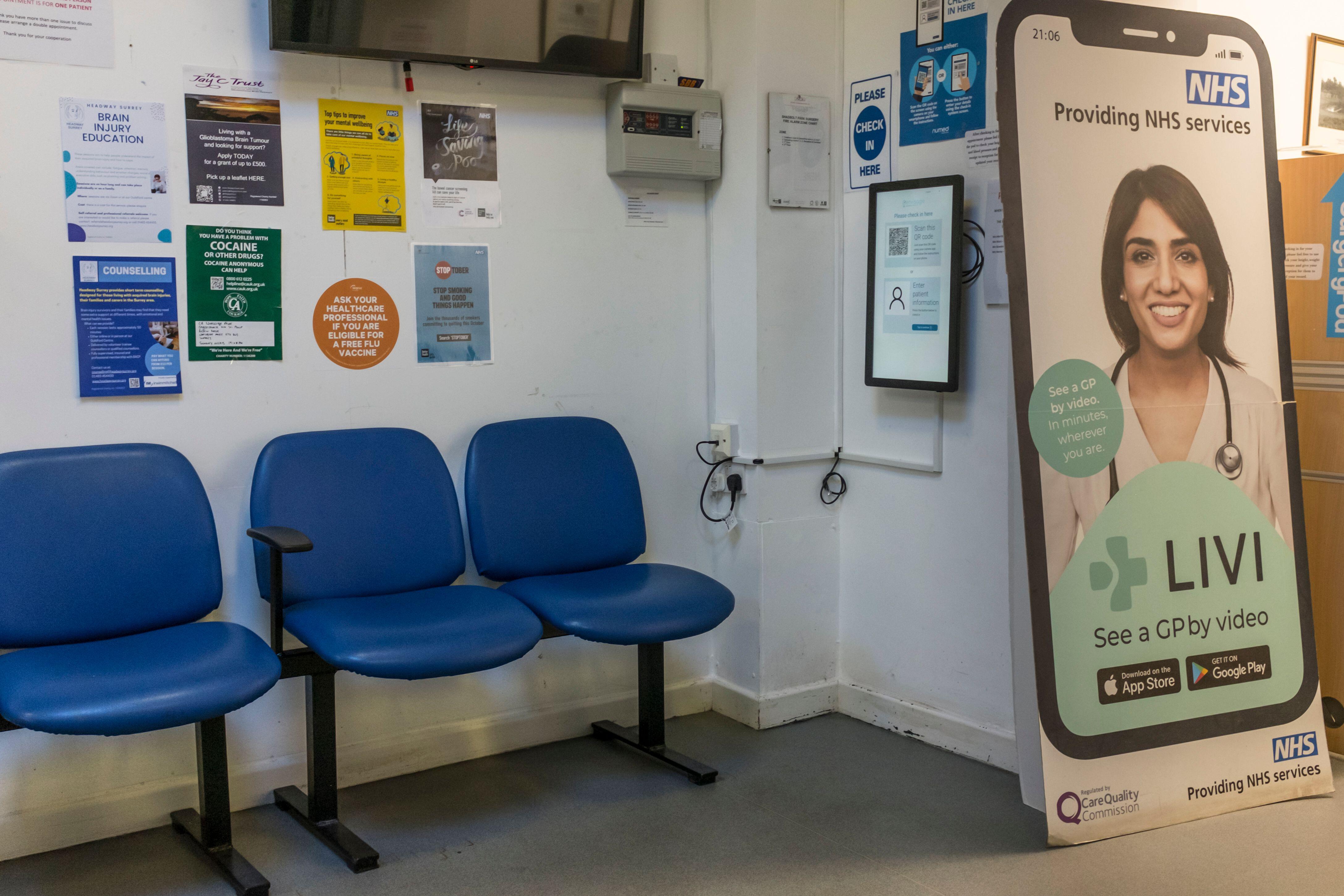
New health secretary Angela Constance – who traded roles with Neil Gray at the reshuffle – has her work cut out. Answering questions from Holyrood, she acknowledged her biggest challenge would be about “shifting the NHS from reacting to illness to preventing it”. Some of that is coming in the form of more community-based services, such as the new walk-in GP centres. Several of these services have already opened, and the government is planning 16 sites as part of a £36m pilot.
 Credit: Alamy
However, early figures from these clinics showed low uptake. Just 3,732 people had chosen to attend one of the nine fully opened centres in July, around 120 patients per day, according to Public Health Scotland.
Senior doctors were unsurprised. Dr Chris Provan, who chairs the Royal College of GPs in Scotland, said such figures “reinforce” the view that these centres “will not meaningfully increase the capacity” of GP services, dubbing them an “unfortunate distraction” from other efforts. Meanwhile Dr Iain Morrison, chair of BMA Scotland’s GP committee, said he was concerned the government would not listen to the evidence. “My concern is that we’re not going to learn to close this down when all the evidence suggests that it’s not working. It’s going to continue to be worked upon, potentially expanded, despite evidence crying out that it’s not having the impact that’s desired,” he told the BBC after the June figures were released. And he has reason to worry, since ministers have already confirmed an intention to establish 30 walk-in clinics in total.
Constance, for her part, has stressed that this is a pilot, with different models of care being considered. However, the decision to close down such clinics if they do not prove to be useful will come with negative headlines that ministers will be keen to avoid.
Yet these are the types of difficult decisions ministers will have to get used to making if public service reform is to happen. Still unresolved is the issue of how to create a better model of social care, following the failure to create a National Care Service during the last parliament. Prime Minister Andy Burnham’s recent comments on this area might provide a catalyst to revisit this conversation in Scotland too, given it will have knock-on budgetary impacts.
The other area of significant spend is social security, which will also require some careful balancing of priorities. Swinney and Gilruth have repeatedly insisted that they will continue to deliver the more generous system – but how they will plug the funding gap remains unclear.
The IFS warned devolved benefits would have to increase by £2bn a year
The Scottish Fiscal Commission forecasts the bill will total £9.2bn by the end of this session of parliament – £1.2bn more than what it is expected to get from the Treasury via Barnett consequentials. That means Scottish ministers will either have to borrow more, increase taxes, or cut spend elsewhere.
Such issues will be examined by the parliament’s Social Justice, Housing and Local Government Committee, which is being convened by Craig Hoy, a longtime critic of the government’s approach to welfare. Indeed, his nomination to chair this committee saw the greatest pushback among MSPs in the newly established process for convener elections – surely a sign of discontent from other, more left-leaning, parties.
Hoy’s position as both finance and social security spokesperson speaks to the weight the Conservatives will be placing on this issue over the coming years. The party went into this election making it clear it would seek to cut spending.
Following the recent publication of the Government Expenditure and Revenue Scotland (Gers) figures, Hoy repeated his argument that working Scots were being “forced to pay the highest taxes in the United Kingdom just to fund the SNP’s ballooning benefits bill”. “SNP ministers cannot continue to pretend everything is fine and ignore this escalating situation. Their social security system should be fair for taxpayers and to those who genuinely need support,” he added.
Likewise, Reform MSPs can be expected to go hard in this area too, with the party at UK level this month publishing its own plan for reforming the system. It is pledging to make £50bn-worth of cuts if it were to form the next UK Government – for example by overhauling disability-related payments and only making these available in the most “severe, enduring and high-risk” cases.
The Scottish Government is, of course, unlikely to follow directions from either the Tories or Reform. But it will need to make better use of the money that is already spent in this portfolio, something ministers have been unable to get a handle on for the last several years as it has focused more on intervention than prevention.
While increasing benefits would have the most direct effects on income poverty, targeted service provision might be more cost-effective
This will be crucial to tackling child poverty, one of the Swinney’s stated ambitions. Nine years after the Scottish Parliament unanimously voted to put child poverty targets onto the statute book, few now believe they will be met despite many of the levers pulled by ministers to increase families’ incomes – such as the flagship Scottish Child Payment.
The Institute for Fiscal Studies (IFS) warned earlier this year that in order to meet the target, devolved benefits would have to increase by £2bn a year. Finding the money to do that within the current financial climate will be difficult and still require significant changes to their design – including working with the UK Government on, for example, tapering to ensure there are no cliff edges.
More broadly, Tom Wernham, senior research economist at IFS, explained: “If the next Scottish Government also prioritises the living standards and life chances of children from lower-income families, a mix of benefit, labour market and public service policies will likely be needed.
“In the context of a constrained budget, it will also need to be clear eyed about what its key priorities are. While increasing benefits would have the most direct effects on income poverty, targeted service provision might be more cost-effective at improving longer-term educational, economic and social outcomes, if this provision is designed effectively.”
In an apparent recognition of the failure to move at pace, social justice secretary Shirley-Anne Somerville has announced a review of the Child Poverty Act. Writing to the social justice committee, she said the review would begin this summer and “explore how we can use a target-based approach to drive focus and action where it is most needed – supporting balanced action which focuses on prevention, immediate support, and longer-term outcomes that are right for families”.
 The food price cap was among the most eye-catching election pledges | Credit: Alamy
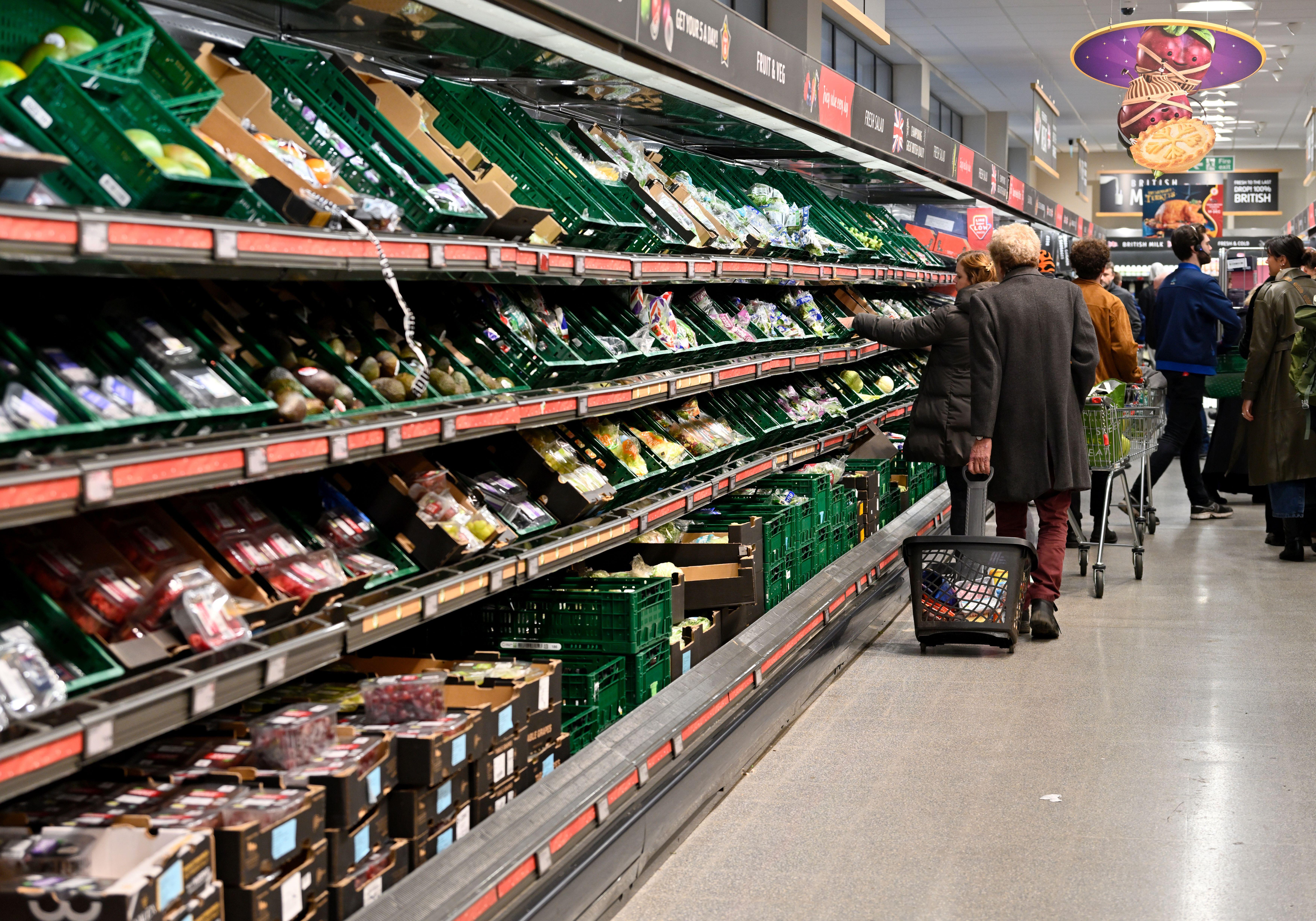
A related policy that sits outside of Somerville’s portfolio area is the SNP’s much-vaunted food price cap. By far the most eye-catching of any announcement during the election campaign, Swinney pledged to put a legal limit on the price of up to 50 “essential” foods in a bid to reduce the cost of living.
Draft legislation is anticipated within the first 100 days of parliament, the job of doing so falling to Stephen Flynn, the former MP who is now economy secretary. While there is clearly an argument that cheaper healthy food is a part of the prevention agenda, whether these proposals are workable and how expensive it would be remains to be seen.
Also within Flynn’s remit is the tricky aim of economic growth. Official figures show the Scottish economy grew by 1.4 per cent in 2025, and Fraser of Allander Institute forecasts say this positive picture is likely to remain the case through to 2027. However, there remains a question of how this is being felt by Scots. The cost-of-living crisis continues to bite, while unemployment and economic inactivity rates remain stubbornly high. Yet the government appears to have abandoned talk of the wellbeing economy.
Flynn set out his five priorities in a debate in June: encouraging investment, boosting productivity, supporting the “industries of the future”, increasing exports, and reforming the system to ensure it “supports growth rather than holding it back”. The public service reform element of that will be to declutter the economic development landscape, ensuring organisations work more closely together and avoid unnecessary duplication.
McKee has said all his cabinet colleagues are 'on board' with public service reform
Despite the obvious economic angle, responsibility for net zero coordination still sits with Gillian Martin as climate action secretary. Both she and Flynn will be expected to work together, alongside energy minister Stephen Gethins who reports directly to Swinney, to take this agenda forward.
The final report of the Just Transition Commission, published in February, warned that so far “progress has fallen short of what is needed”. It called for “place-based planning” and greater investment, with better monitoring and evaluation processes. Its 30 recommendations spanned several areas of government.
That same month, the Climate Change Committee warned there were “significant risks” attached to future ambitions to get emissions down – though it did praise the “credible plan” in place for hitting the first of the new climate targets. The next five years will be crucial in meeting the rest, particularly as more information is made available on the two big areas of heating decarbonisation and carbon capture technologies. Again, much of this comes down to how it will be paid for, making public service reform even more vital.
Other areas also under pressure are the education and justice portfolios.
The ageing population means there will need to be significant change in the years ahead for how education is delivered, while ensuring standards do not slip. Already ministers are under pressure for failing to close the attainment gap, with figures published earlier this year showing it remains wider now than before the pandemic.
Schools are not the only institutions under pressure, with the government also conducting reviews of the university and college sectors to set out how to put them on a more sustainable footing after years of cuts. Mairi McAllan, who took over the portfolio in May and is often spoken about as a future SNP leader, has her work cut out.
Over in justice, Neil Gray will need to continue to address the issue of overcrowded prisons – another careful balancing act as the government seeks to reduce Scotland’s imprisonment rate while ensuring communities are safe. Changes to the police and fire services were among the first public service reforms to be made over ten years ago, but questions are mounting as to whether these organisations continue to be effective – particularly following a year where three significant fires, in Edinburgh, in Glasgow and in the Cairngorms, took hold.
McKee has told this magazine that all his cabinet colleagues are “on board” with the public service reform agenda. But that’s before any real decisions on how to push them through, and how to pay for them, have been made. As a minister, he made a good start – he’s cut the size of the Scottish Government workforce and overseen the pooling of resources for some services. But that’s the low-hanging fruit. As cabinet secretary, he might find there’s more pushback when he’s forced to make unpopular decisions.
The auditor general set out the challenges just last week. “It will take a Cabinet and Scottish Government united around the aims of reform for it be delivered,” Boyle wrote. “Inevitably, there will be trade-offs and compromises. And the Scottish Government will need to bring public service leaders, the public, and the parliament with them...It is a formidable undertaking, and difficult work, but the stakes are now higher than ever. If the right foundations aren’t put in place in this parliament, the consequences for public services will be far greater in the future. And much more difficult and painful to fix.”
Holyrood Newsletters
Holyrood provides comprehensive coverage of Scottish politics, offering award-winning reporting and analysis: Subscribe