New direction of travel
VisitScotland is playing a pivotal role in refocusing the tourism and events sector, highlighting its importance to the country’s wider economic strategy
Scotland’s tourism and events industry has increasingly established itself as an important economic ecosystem, providing employment and vital support to communities in our cities through to rural and island areas. The statistics are impressive: the sector generates £11.4bn of visitor spend and supports 239,000 tourism jobs working in 16,325 businesses.
At the heart of this activity is VisitScotland, Scotland’s national tourism and events organisation. It believes though that merely attracting more visitors is not the best measure of success and is actively increasing the value, sustainability and year-round resilience of the visitor economy.
Rather than relying on traditional destination marketing alone, it has introduced initiatives to help businesses grow while encouraging visitors to travel beyond existing hotspots throughout the country – and outside the peak summer season. VisitScotland is currently running an initiative to build awareness of the visitor economy and impact of the sector.
Vicki Miller (below) is VisitScotland’s CEO. She assumed the post in October 2024 and, having previously been director of marketing and digital, brought an in-depth knowledge of the organisation and the sector.
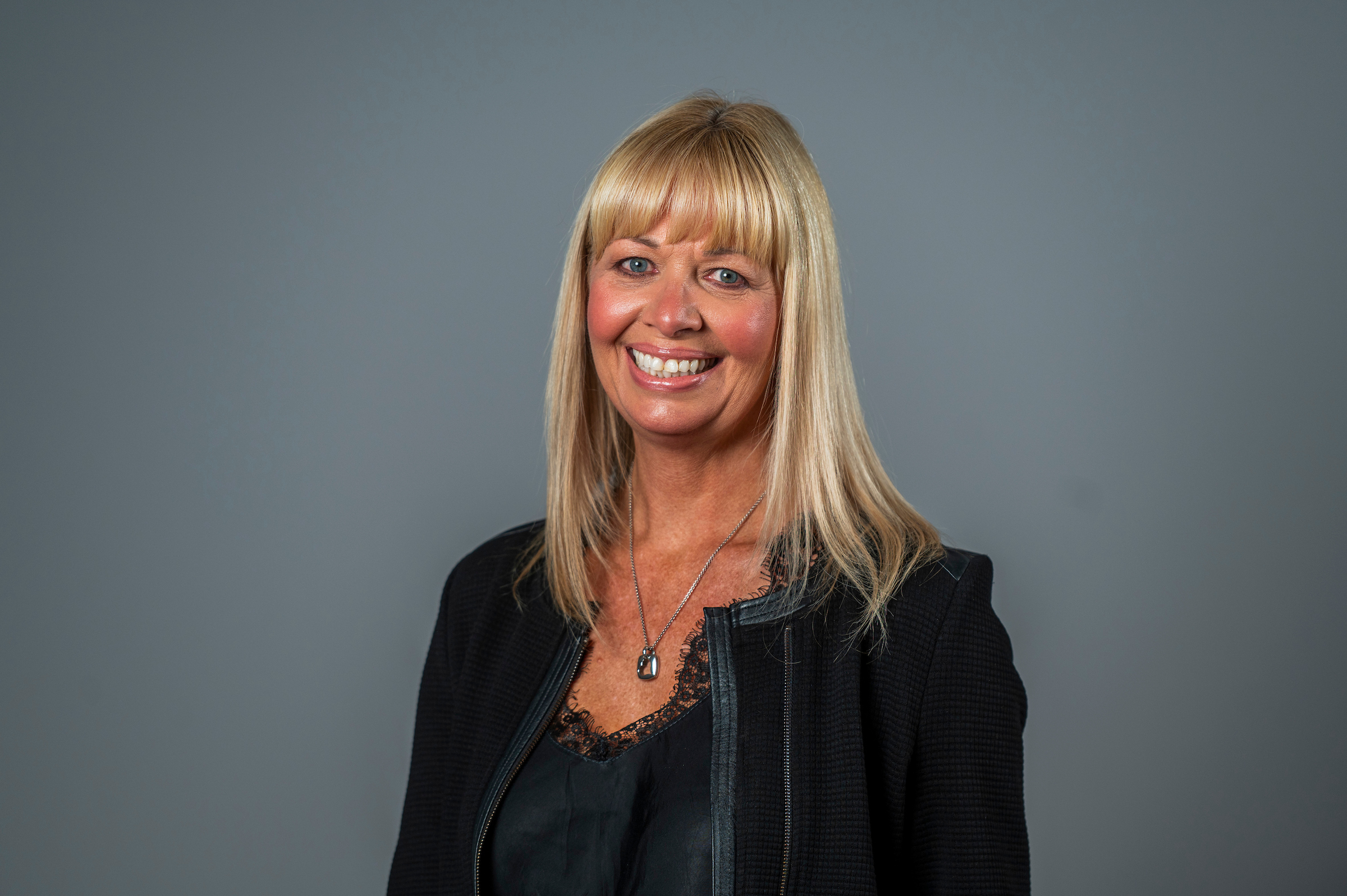
Vicki Miller, CEO of VisitScotland - image provided by VisitScotland
“We’ve done a lot of work to refocus the organisation as an economic growth agency, one that drives higher value, working in a sustainable and inclusive sector with an emphasis on regional and seasonal spread,” she explains.
The visitor economy also plays a key role in contributing to the regeneration of towns and urban areas, the sustainability of rural and island communities, and the country’s journey to net zero.
“We’ve seen good examples of this; for example, supporting the opening of Inverness Castle and Perth Museum, and working closely with Renfrewshire Council regarding the new £45m Paisley Museum, due to open later this year,” she says.
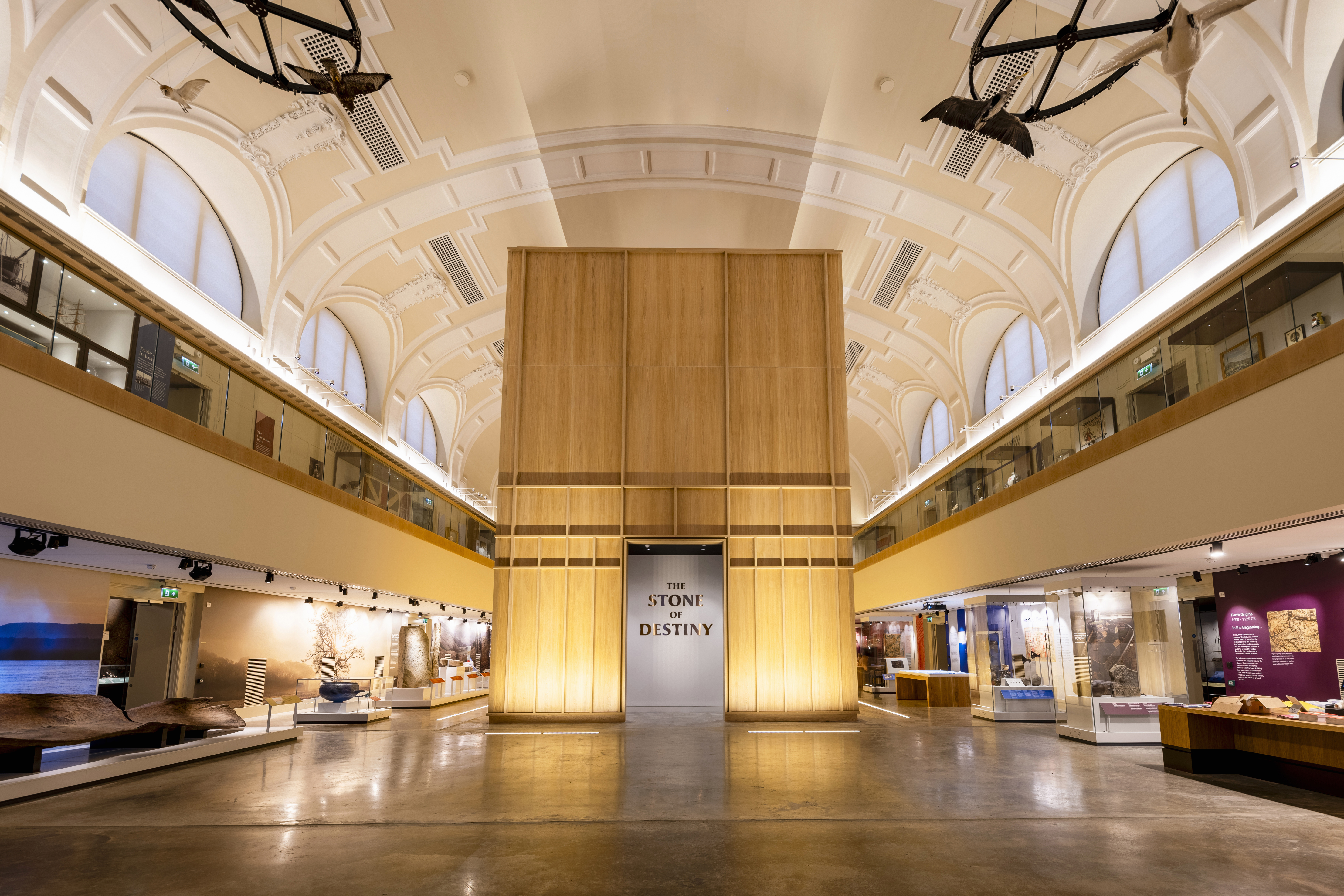
Perth Musuem - image provided by VisitScotland
“I’m delighted with the progress that we’ve made in reshaping, for example, our business support activity, where we’ve established an online hub that’s accessible to everyone and provides useful sector-specific advice and business case studies, so it’s a platform that enables peer-to-peer learning.”
Targeted industry support includes working with VisitScotland’s destination and sector partners and local authorities. She cites the South of Scotland Destination Alliance (SSDA), the destination organisation for the Scottish Borders and Dumfries and Galloway, plus activity with partners in the east of Scotland.
“We’ve been helping businesses to look at how they can reach new audiences and new markets, particularly international markets, and we’ve had success in attracting more businesses to our travel trade show VisitScotland Connect.” That industry event, Miller says, has been growing year-on-year since Covid and this year brought 289 Scottish businesses together with 330 international buyers from 20 markets. The event is forecast to deliver bookings worth an additional £10m to Scotland.
“VisitScotland Connect aims to join up businesses with international tour operators, travel agents and buyers and get business on the books for future years. It’s an excellent way for businesses to build long-lasting relationships and is benefiting many more small companies.”
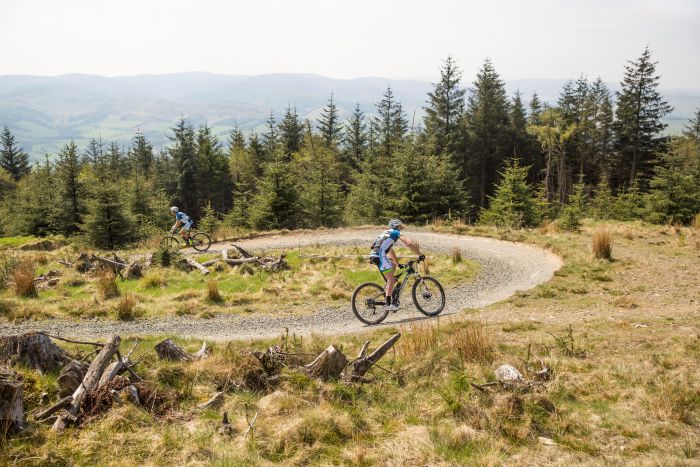
Glentress Forest mountain biking trails, Peebles - image provided by VisitScotland
The work to reshape VisitScotland’s destination development offering has been critical, says Miller. “Having a focus on place is one of our strategic pillars and we’re increasingly working with regional partners, local authorities, destination organisations and the industry more generally – including with community groups who play an important part.”
There is, she adds, a strong return on investment in the visitor economy and last year (2024/5), £18 was generated for every £1 VisitScotland invested in marketing activity. She believes there is a global opportunity to drive growth and to develop markets on behalf of Scotland, growing the country’s reputation while increasing conversion from those markets.
“This involves both growing a more sustainable and higher-value sector and attracting a longer stay and a higher spend,” she stresses. “How do we better package the product? How do we spread visitors across the year but also across the regions? That requires a long-term strategic approach in key areas such as identifying markets that will be important for the future.”
How do we spread visitors across the year but also across the regions?
This includes route development with the Scottish Government, Transport Scotland and Scottish Development International, and VisitScotland tends to take the lead on developing important airline partnerships and new routes which have seen a five per cent increase in seats on flights coming into the country.
The North American market accounts for 38 per cent of overseas visitors and has seen encouraging growth while there has also been success in European markets such as Germany. “Equally, we’re seeing new opportunities with Spain and Italy,” she says.
“Joint marketing and planning with the airlines have generated an extra £10m in net economic impact through promoting new routes and we’ve seen airlines that offered a seasonal service extend to a year-round offering which gives us the chance to do more, especially in North America, around that seasonal extension.”
United Airlines is a good example. Over the past 18 months, it has extended seasonal services and this year reintroduced flights to Glasgow for the first time since 2019.
Its Edinburgh-Newark route is year-round, while Edinburgh-Washington Dulles is almost year-round, which Miller says gives VisitScotland the opportunity to promote the country during quieter months.
Events, which last year generated £6.1bn for the economy, play an important role in raising Scotland’s profile as a destination. Glasgow, of course, recently hosted the Commonwealth Games.

Commonwealth Games Glasgow 2026 - image provided by VisitScotland
“We worked very closely with the organisers to promote the games through all our channels. This was obviously about encouraging people to attend the games but also about persuading them to stay longer and enjoy something else of what we have to offer which involved cross promotion of other destinations and activities,” says Miller.
“That was a successful strategic partnership which, for example, allowed us to provide the games with video footage of the country that could be given to their media partners and support their PR activity – so we were working together effectively to showcase Scotland as well as the games themselves.
“I was in Glasgow a lot during the games seeing some of the sport but also attending other stakeholder events and there was a real buzz about the city. I think we should take pride in the fact that we reimagined the games and created a sustainable model that brought visitors and citizens together to create a great atmosphere,” she says.
Upcoming sporting events include The 155th Open, the FIA World Rally Championship 2027, Tour de France Grand Départ 2027 and Uefa Euro 2028, all contributing toward the national events strategy “Scotland The Perfect Stage”.
Miller explains: “We’ve developed that strategy through the Events Industry Advisory Group, which includes representation from across the events sector. It’s very much about developing a portfolio we will support to grow audiences, increase participation, and again grow the regional and seasonal spread of investment into communities right across the country.”
In the realm of culture, Edinburgh’s festival season each August has been a magnet for visitors since 1947 and the latest impact report estimates that the combined 11 major Edinburgh Festivals will have a gross economic impact of £4.26bn over the next five years in Scotland.
In addition to the work VisitScotland does on the leisure side, Miller emphasises that business events make a huge contribution. “Here our particular focus is in attracting large international congresses to Scotland, which supports wider government policy objectives,” she says.
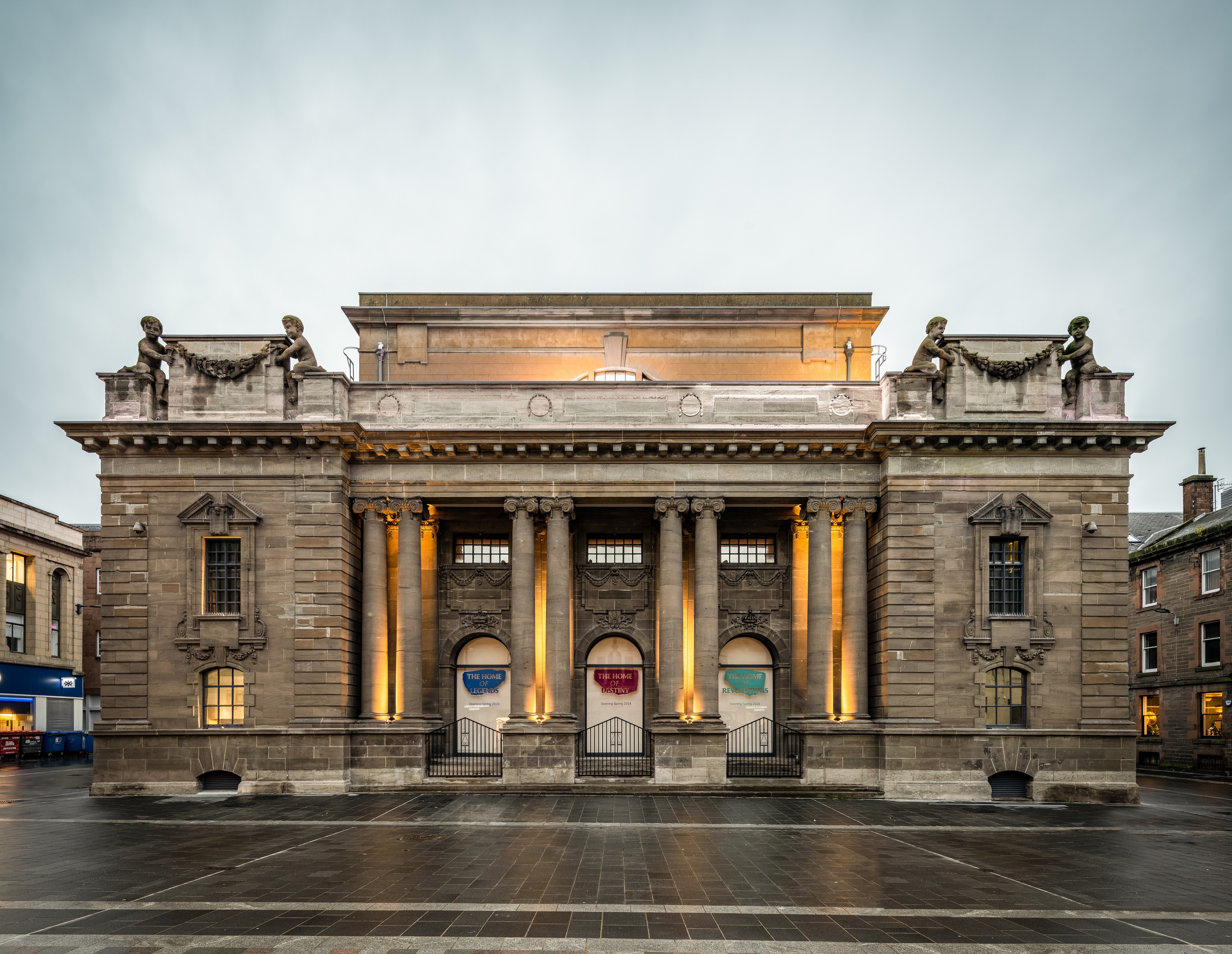
Perth Museum - image provided by VisitScotland
An example is the IWA World Water Congress and Exhibition which is coming to Glasgow in October, building on the success of the 2024 event in Toronto and will provide the opportunity to connect international peers across utilities, government, academia, industry, finance and ICT.
The work that VisitScotland is now doing, she reiterates, reflects that fact that it’s an effective economic growth agency. “We’re ensuring that we’re getting market investment right and are leaning into those opportunities where there’s connectivity. I see VisitScotland’s role as being important to the Scottish Government in enabling and supporting the country’s internationalisation and competitiveness.
“Our work always puts Scotland front and centre, showcasing its values and credentials. That has a knock-on impact – not just on Scotland as a place to visit but as a country to invest, live, work and study in, which is one of the key goals for me as we’ve gone through the transformation of the organisation.”
To support government objectives, she says VisitScotland’s work has a significant wider ripple effect, not just in growing the visitor economy but in supporting other sectors in that the global positioning of Scotland as a destination.
This, she adds, brings benefits to others beyond those directly employed in tourism, supporting a wider local supply chain that includes sectors such as food and drink, arts and culture as well as retail, construction and transport – all creating jobs, encouraging entrepreneurial activity and attracting investment in infrastructure, visitor experiences and services.
Miller stresses this entails working with partners to ensure that tourism and events benefit communities and regions across Scotland. “This isn’t something we can do alone. It requires collaboration across government, businesses, communities and visitors to sustain and grow the benefits that tourism brings.”
This article is sponsored by Visit Scotland
www.visitscotland.org
Holyrood Newsletters
Holyrood provides comprehensive coverage of Scottish politics, offering award-winning reporting and analysis: Subscribe