Celebrating Scotland's Intangible Cultural Heritage
The fourth annual Intangible Cultural Heritage (ICH) Scotland Conference is taking place in Perth on Thursday 4 February 2027, developed by the ICH Scotland Partnership and with support from Perth and Kinross Council.
Everyone with an interest in ICH is invited to take part including the creative and culture sector, organisations, culture and heritage groups, public bodies and local authorities.
The full day event will host talks, workshops, demonstrations and discussion time, bringing sectors together at the forefront of safeguarding Scotland’s Intangible Cultural Heritage.
What is Intangible Cultural Heritage?
Intangible Cultural Heritage refers to the living expressions, knowledge and practices passed down through the generations. Unlike artifacts or monuments ICH is embodied in traditions, rituals, and regional customs, crafts and performances that shape cultural identity and foster belonging.
In Scotland, this includes events like Shetland’s Up Helly Aa Festival, cultural traditions like bothy ballads and bagpiping, traditional sports such as shinty, culinary heritage like Burns Night Supper and craftmanship like thatching and Fair Isle knitting. These practices are not static relics – they evolve, adapt and continue to enrich everyday life.
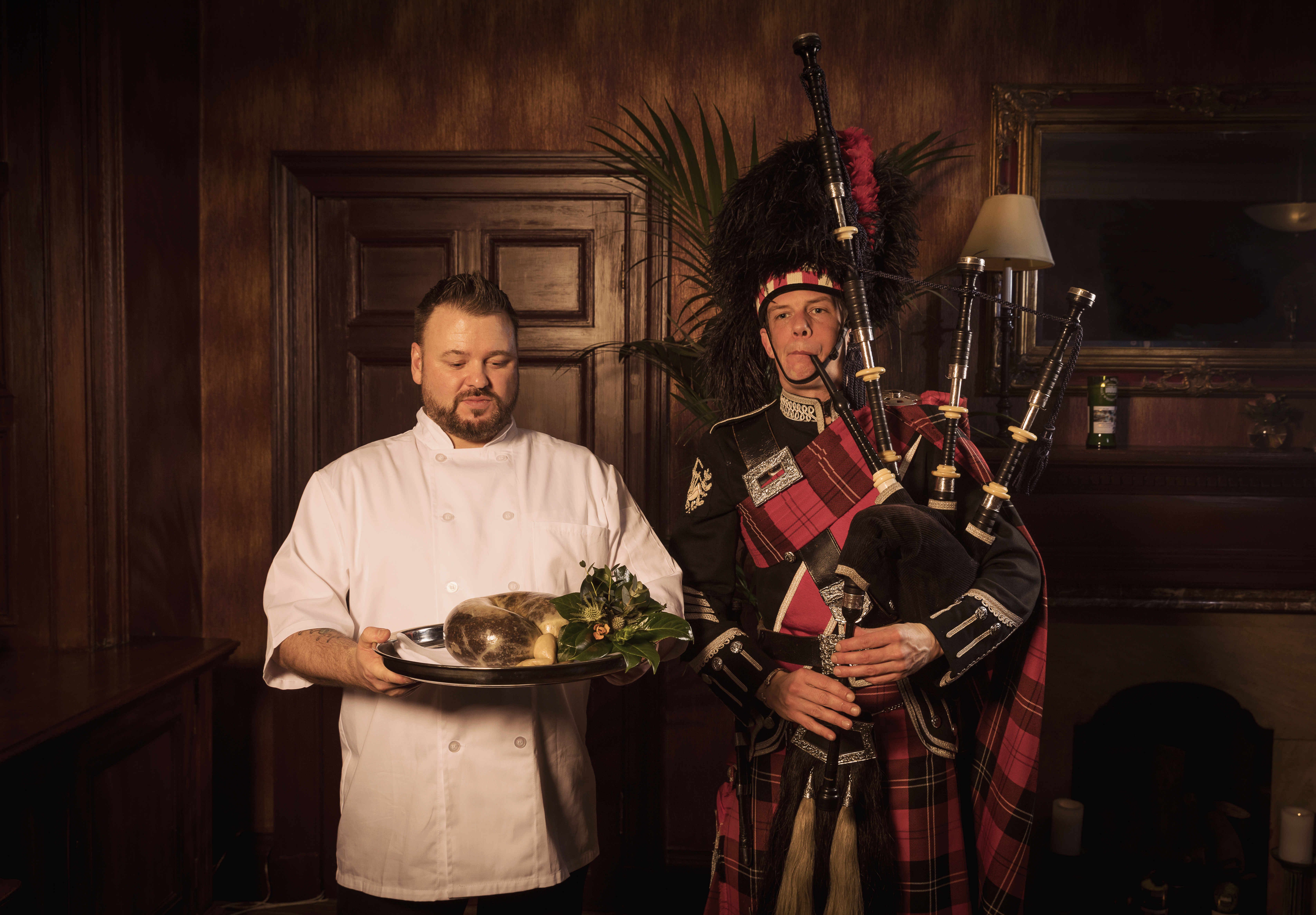
A Burns Supper celebration held on 25 January honours Scottish poet Robert Burns through piping in the haggis, poetry recitations, traditional Scottish music, and whisky toasting. Guests wear tartan and enjoy haggis with neeps and tatties in this annual cultural event. - credit VisitScotland / Kenny Lam
It also includes blended forms of cultural heritage originating in different countries now practised in Scotland, shaped by inherited traditions and continually renewed through contemporary practice and cultural exchange.
Since the UK Government ratified the 2003 UNESCO Convention on ICH in 2024, huge strides have been made in safeguarding living heritage traditions and cultural practices in Scotland, empowering its communities to celebrate these pillars of identity. This includes an inventorying process of Scotland’s traditions, highlighting their contribution to communities.
The seven areas of Intangible Cultural Heritage, as set out in Inventories of Living Heritage in the UK, are as follows:
- Oral expressions
- Performing arts
- Social practices
- Nature, land and spirituality
- Crafts
- Sports and games
- Culinary practices
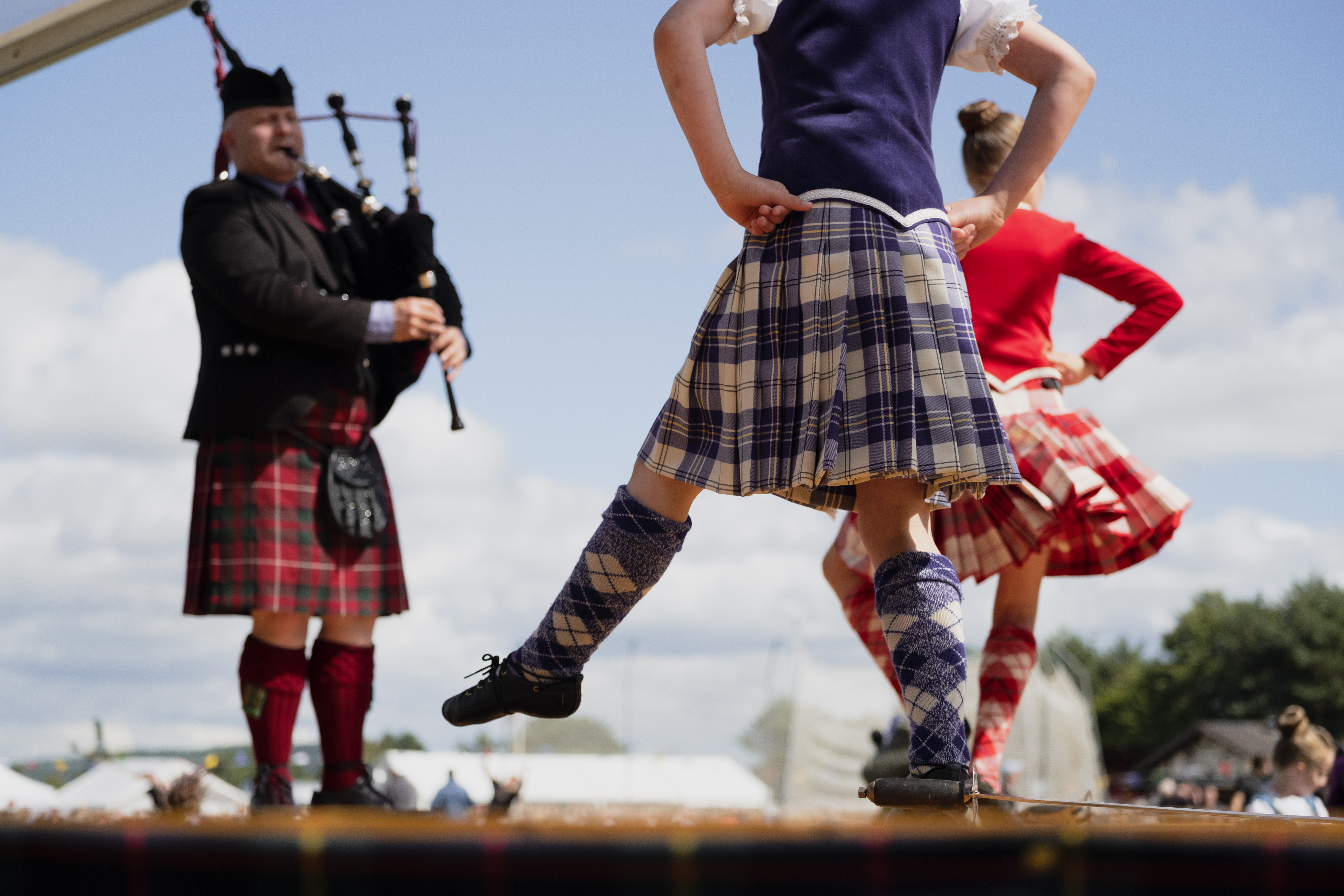
Highland dancers perform at the Ballater Highland Games, an annual event held in Aberdeenshire. The games feature traditional Scottish dancing competitions, bagpipes, and athletic events set within a woodland setting in the Cairngorms region. - credit VisitScotland
What is the ICH Scotland Partnership?
The ICH Scotland Partnership is a collaboration between Museums Galleries Scotland (MGS), Creative Scotland, Historic Environment Scotland (HES), and TRACS (Traditional Arts and Culture Scotland). Since 2020, the partnership has produced a report mapping the current state of ICH in Scotland and organised events helping communities to engage with and share their own ICH. Since 2025 it has led Protection Through Connection, a Heritage Fund supported project pioneering safeguarding work in Scotland.
The ICH Scotland Partnership ensures Scotland’s living traditions are reflected in the wider UK effort and support Scotland-based organisations and practitioners in safeguarding, promoting and celebrating ICH. The ICH Scotland Conference is one of the cornerstones of this work, facilitating collaboration, learning, and driving forward momentum.
Each member organisation of the partnership has been supporting ICH since before the UNESCO Convention was established in 2003, but ratification and the formation of the partnership has helped to build on that and connect activity across country and policy.
Traditional crafts are a great example of intangible cultural heritage, and Scotland has a wide variety of traditional crafts. Many crafts face challenges though, from ageing practitioners to increasing costs for raw materials. Recent research by HES shows that 8 out of 10 employees in the heritage sector report skills shortages. Many of the ICH Scotland partners work to support traditional crafts, and HES have been operating a Craft Fellows programme for over 30 years and are partnering with Scottish Canals to open a new Centre of Excellence for Traditional Skills in Falkirk.
Craft skills are also important to other forms of culture in Scotland, as Harp Maker Mark Norris illustrates the urgency of the situation in his craft. “I am one of a rapidly shrinking number of UK Harp Makers and close to the age of retirement, with no obvious way of passing on my rare knowledge and skills to the next generation of makers, so I am currently working to establish a Scottish School of Harp Making.” Mark said.
“There is an urgency to properly address the challenges of Intangible Cultural Heritage before more extant knowledge and skills are irretrievably lost. We can’t always depend upon our important traditions, culture and heritage being ‘commercially viable’. Both public and government support and finance will be needed to secure our cultural heritage for the future.”
TRACS (Traditional Arts and Culture Scotland) run the Scottish International Storytelling Festival, celebrating the oral tradition of storytelling and traditional arts annually in the autumn.
Catriona Hawksworth, Traditional Arts Officer at Creative Scotland, said on behalf of the ICH Scotland Partnership: “People, practitioners and communities have been doing the hard work of maintaining our living traditions for generations and our aim is to provide support and infrastructure to reinforce their efforts.
“We work closely as partner organisations, with the Scottish Government and the sector, pooling resources to maximise the impact for our sectors and for communities in Scotland.”
Traditional weaving workshop producing textiles using heritage handloom techniques - credit VisitScotland / Luigi Di Pasquale
What is the Intangible Cultural Heritage (ICH) Scotland Conference?
The main event will take place at Perth Theatre and includes a keynote speech on Blending Traditions with singers Mischa MacPherson and Ankna Arockiam from Naad-Hara, panel sessions on collective support for Intangible Cultural Heritage, a diverse array of breakout sessions to choose from and ending with an informal, traditional ceilidh at Osteria Bau Bau.
A variety of breakout sessions will take place over the day at Perth Museum and AK Bell library and attendees will be able to hear from:
- Catherine Cartmell from Historic Environment Scotland and dry stane dyker Alexis Zafiropoulos and a current HES craft fellow discussing how apprenticeship models could support other forms of ICH
- A session exploring harp making with Mark Norris, with discussion around challenges and opportunities in Scotland, and some hands-on demonstrations
- DCMS and Scottish Government talking through the UNESCO next steps in ICH
- Human Ecologist Mairi McFadyen on ICH and nature recovery
- Supporting South Asian Culture in Scotland with Theiya Arts
- Mark Hall from Perth Museum leading a walking tour of Perth
- Simon Cooper, The Bumbling Basketeer at the Make Room with a craft exhibition and workshop
- Screenings of short films concerning ICH
- A morning online session with Expressing Scotland director and ethnologist, Simon Gall, and Egyptologist and archaeologist, Dr Abeer Eladany, focusing on understanding the experiences of minority ethnic ICH communities and practitioners in Scotland
Speaking on the value of the Intangible Cultural Heritage (ICH) Scotland Conference, Expressing Scotland Director, Simon Gall said, “The concept of ICH is transformative. It has drawn significant institutional attention towards a previously overlooked and undervalued ‘register’ of culture in which the vast majority of people already participate in some way.
“For Expressing Scotland CIC, the existence of the concept adds gravitas to our longstanding conviction that everyone has and ‘does’ culture, and it provides us with a heavyweight conceptual tool we can use when making the case for support on behalf of the groups and organisations with whom we work.”
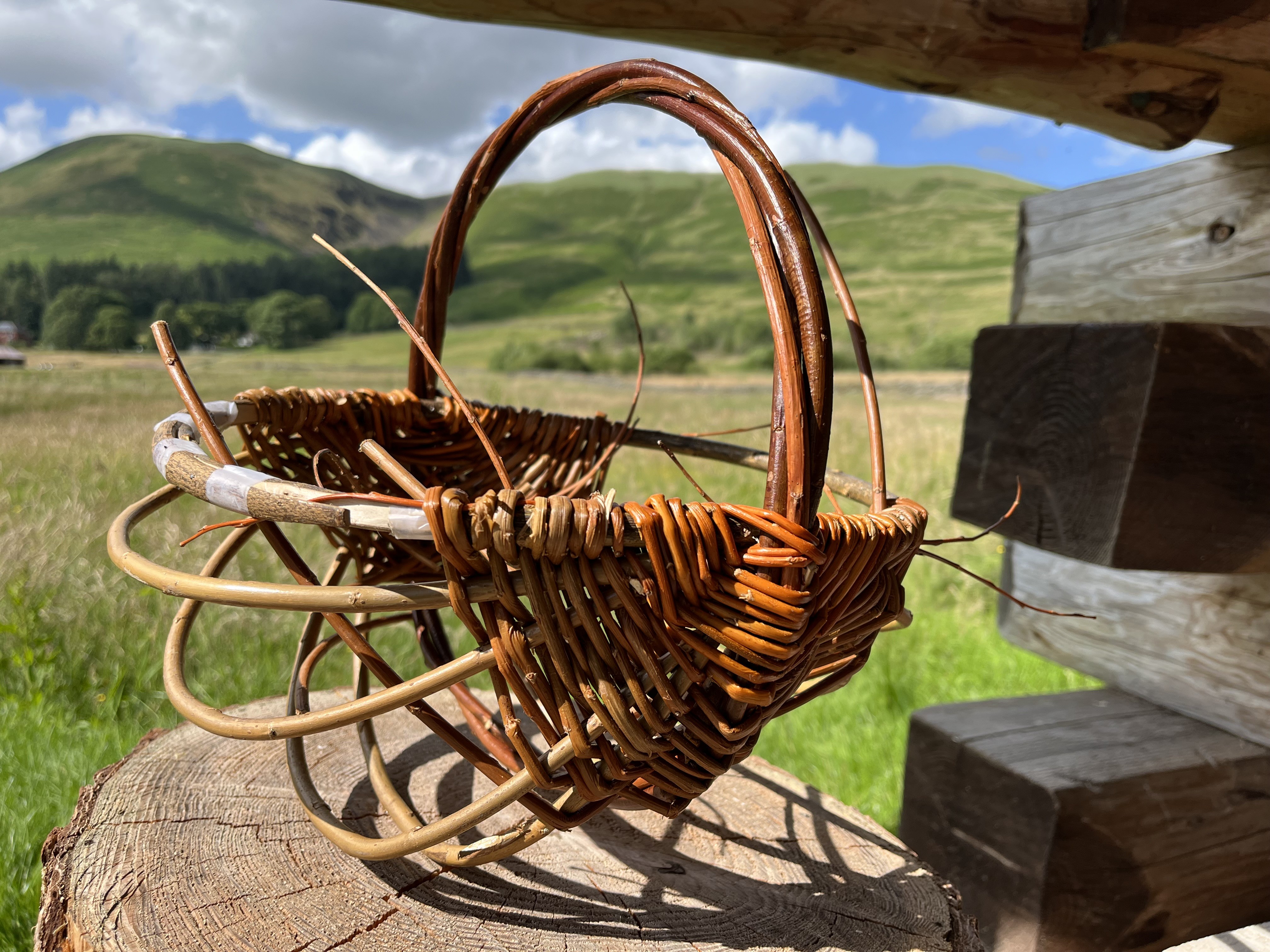
Basket making - credit TRACS (Traditional Arts and Culture Scotland)
For the first time this year, the ICH Scotland Partnership is also supporting a series of smaller practitioner-focused gatherings across Scotland, run in partnership with other local culture and heritage organisations. These events will provide space for communities involved in living heritage to connect and discuss their experiences. Full details are available from the organisations:
- The Barn in Aberdeenshire, Sunday 31 January 2027
- The Stove Network in Dumfries & Galloway, Friday 5 February 2027
- Govanhill Baths in Glasgow, Wednesday 10 February 2027
- Timespan in Highlands, Saturday 13 February 2027
Full programme details and ticket registration is available on the Creative Scotland website at www.creativescotland.com/intangible-cultural-heritage
Email: media.office@creativescotland.com
This article is sponsored by Creative Scotland
creativescotland.com
Holyrood Newsletters
Holyrood provides comprehensive coverage of Scottish politics, offering award-winning reporting and analysis: Subscribe